If you want to understand the true soul of the island—from its prehistoric beginnings to its complex colonial heart—this is where you go. Located on Hobart’s historic waterfront, TMAG is the second-oldest museum in Australia. It is a unique “all-in-one” institution that combines a museum, an art gallery, and a state herbarium, all housed within some of the city’s most significant heritage buildings.
Moving tributes to the Tasmanian Aboriginal people
The world’s leading Thylacine (Tasmanian Tiger) gallery
Extensive Antarctic and Southern Ocean collections
19th-century “Bond Store” sandstone architecture
Free general entry right in the heart of the city
It’s a place where you can stand in a 1820s warehouse while looking at cutting-edge contemporary art or ancient fossils.
TMAG is located at Dunn Place, perfectly positioned between the city center and the harbor.
2-minute walk from Constitution Dock and the Hobart Visitor Centre.
5-minute walk from Salamanca Place.
Conveniently located right next to the Brooke Street Pier (the ferry terminal for Mona).
Open daily January–March (10 am–4 pm) and Tuesday–Sunday the rest of the year.
👉 It is arguably the most accessible major attraction in Hobart. No car or bus is needed if you are exploring the waterfront.
TMAG is designed as a journey through different “worlds,” spread across multiple interconnected buildings.
You start with Tasmania’s Natural & Ancient History:
Tasmania: Earth and Life: Discover the island’s unique geology and the bizarre creatures that lived here millions of years ago.
The Thylacine Gallery: A deeply moving and comprehensive exhibition about the extinct Tasmanian Tiger, featuring the last known footage and rare specimens.
Then you explore Culture & Identity: 👉 ningina tunapri This award-winning gallery is the heart of the museum. It explores the journey of Tasmanian Aboriginal people, celebrating their continued culture, technology, and resilience from deep time to the present day.
From there, you can explore:
Islands to Ice: Immerse yourself in the world of Antarctic exploration and the wildlife of the frozen continent.
The Bond Store: Walk through three levels of historic sandstone galleries that tell the stories of “Our Changing Land.”
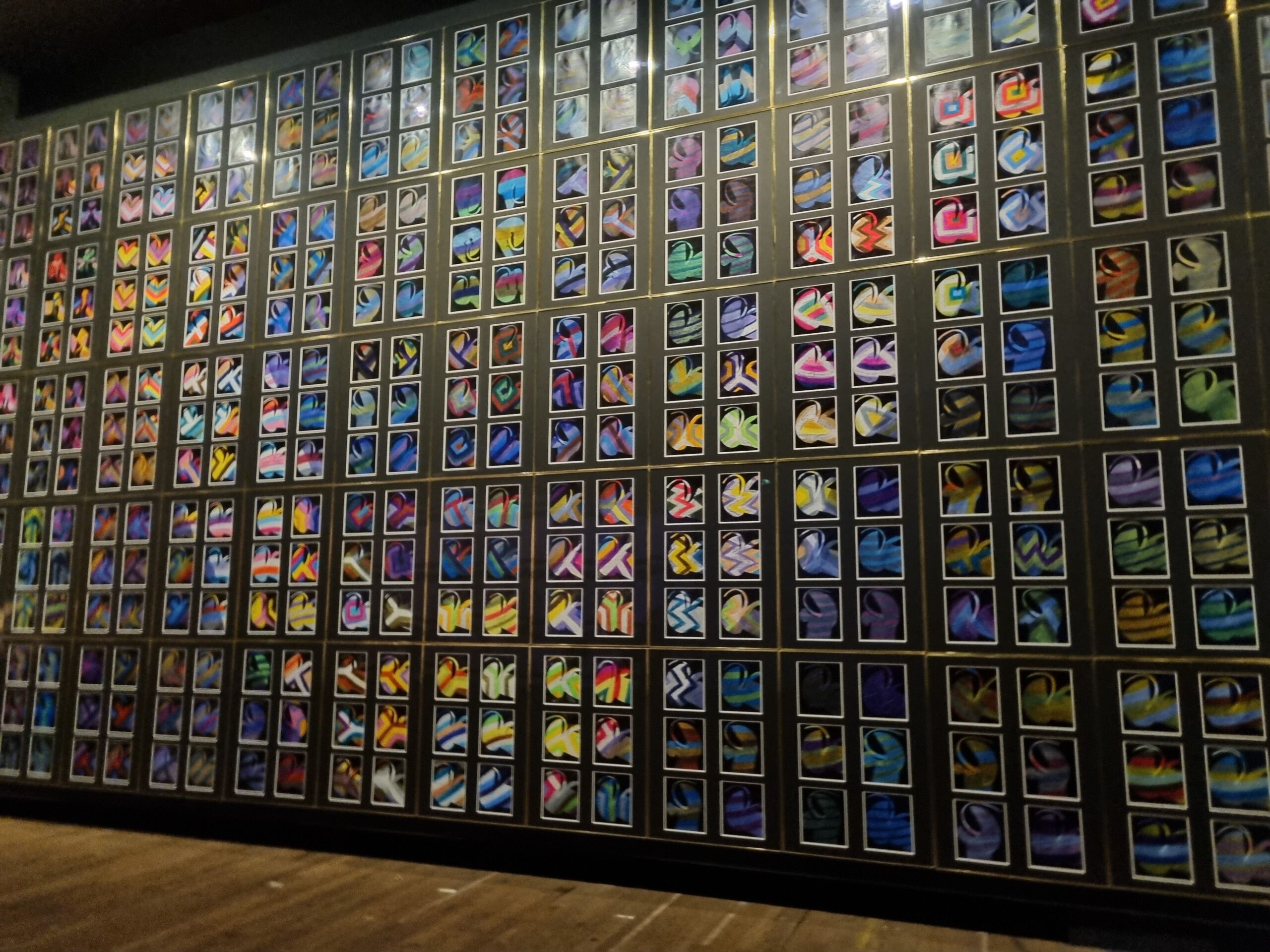
Fine Art Galleries: Home to a rich collection of colonial-era paintings (including John Glover) and rotating contemporary exhibitions.
TMAG isn’t just a place to look at objects; it’s a site of active discovery and world-class exhibitions.
What you shouldn’t miss:
Restoring the Past (2026): A fascinating behind-the-scenes look at art conservation, showing how 19th-century masterpieces are preserved.
Becoming Modern (Opening May 2026): A major survey of mid-century Australian art, highlighting the rise of modernism and Tasmanian women artists.
mapiya lumi | around here: A beautiful, dedicated space designed specifically for children (0–7 years) to explore Tasmanian stories.
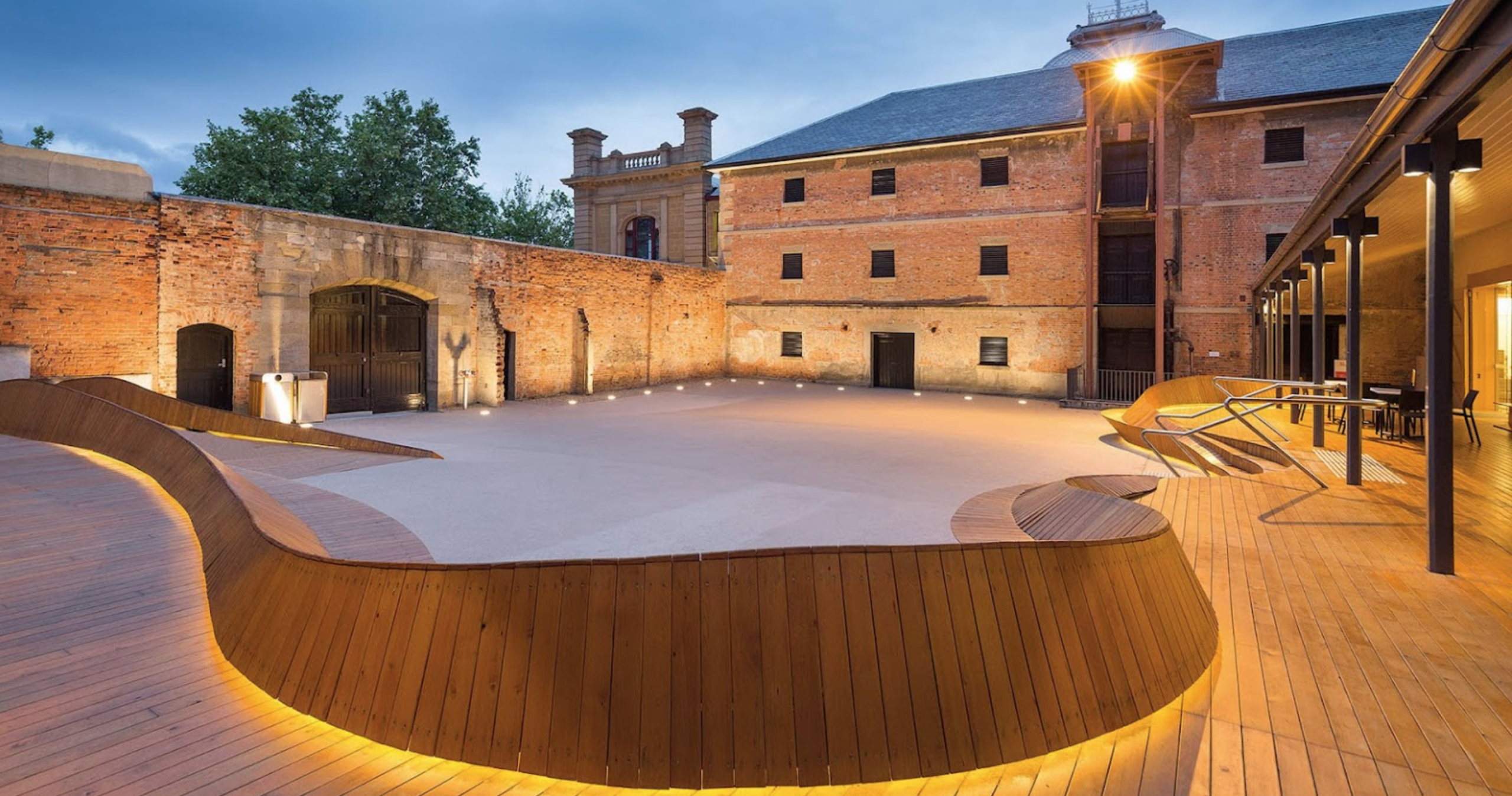
The Courtyard: A stunning open-air space where heritage meets modern glass architecture—perfect for a quiet breath of air.
👉 These attractions allow you to pivot from serious historical reflection to light-hearted family fun in the same building.
Most visitors see the Tiger and the Aboriginal galleries then leave. Big mistake.
The Private Secretary’s Cottage: A tiny, separate colonial building tucked within the museum complex that is one of Hobart’s oldest residences.
The Coin Collection: One of the most significant numismatic collections in Australia, tucked away in the upper levels.
The Central Gallery View: Head to the second level for a stunning perspective of the architecture where the old stone meets the modern ceiling.
👉 If you want a deeper experience, check for the Free Guided Tours (usually at 11 am and 1 pm), which offer stories you won’t find on the placards.
✔ General Admission is Free (though some special touring exhibitions may have a fee).
✔ Free Cloaking: You must cloak large bags, umbrellas, and backpacks at the front desk.
✔ The Museum Shop is one of the best places in Hobart for high-quality Tasmanian books and gifts.
But…
❗ No food or drink is allowed inside the galleries to protect the collections.
❗ The museum is closed on Mondays from April to December.
❗ It is a large complex with many levels; allow at least 2–3 hours to see it properly.
👉 Best advice? Start on the top floor and work your way down. It helps you keep your bearings in the maze-like heritage buildings.
TMAG is built on the site where the first European settlement in Hobart began.
The buildings themselves—the Commissariat Store and the Bond Store—are artifacts of the convict era.
The museum acknowledges the Muwinina people as the traditional owners of the land where it stands.
For decades, TMAG has been at the center of the global conversation regarding the return of ancestral remains and the preservation of First Nations culture.
Today, it represents a bridge: 👉 A place that doesn’t shy away from the difficult parts of history while celebrating the incredible creativity of the island.
It is the anchor for any “City Day” in Hobart. Pair it with:
Mawson’s Huts Replica: Located just across the road for more Antarctic history.
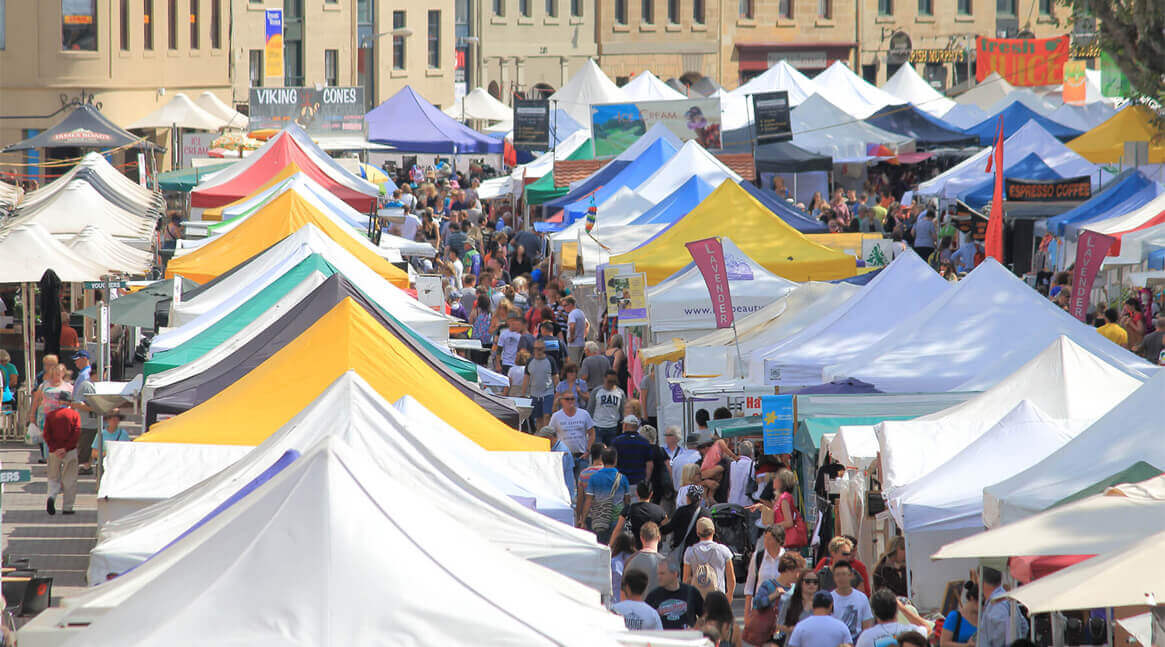
Salamanca Market: On a Saturday, walk 5 minutes from the market to the museum to escape the crowds.
Mona: Take the morning ferry to Mona and spend your afternoon decompressing with the history at TMAG.
👉 It is the essential “deep dive” into what makes Tasmania different from the rest of the world.